Super Soft Sponge Sandpaper, #320–#2000, 80x20mm Flex Pads (SSP-320/400/600/800/1000/1200/1500/2000)
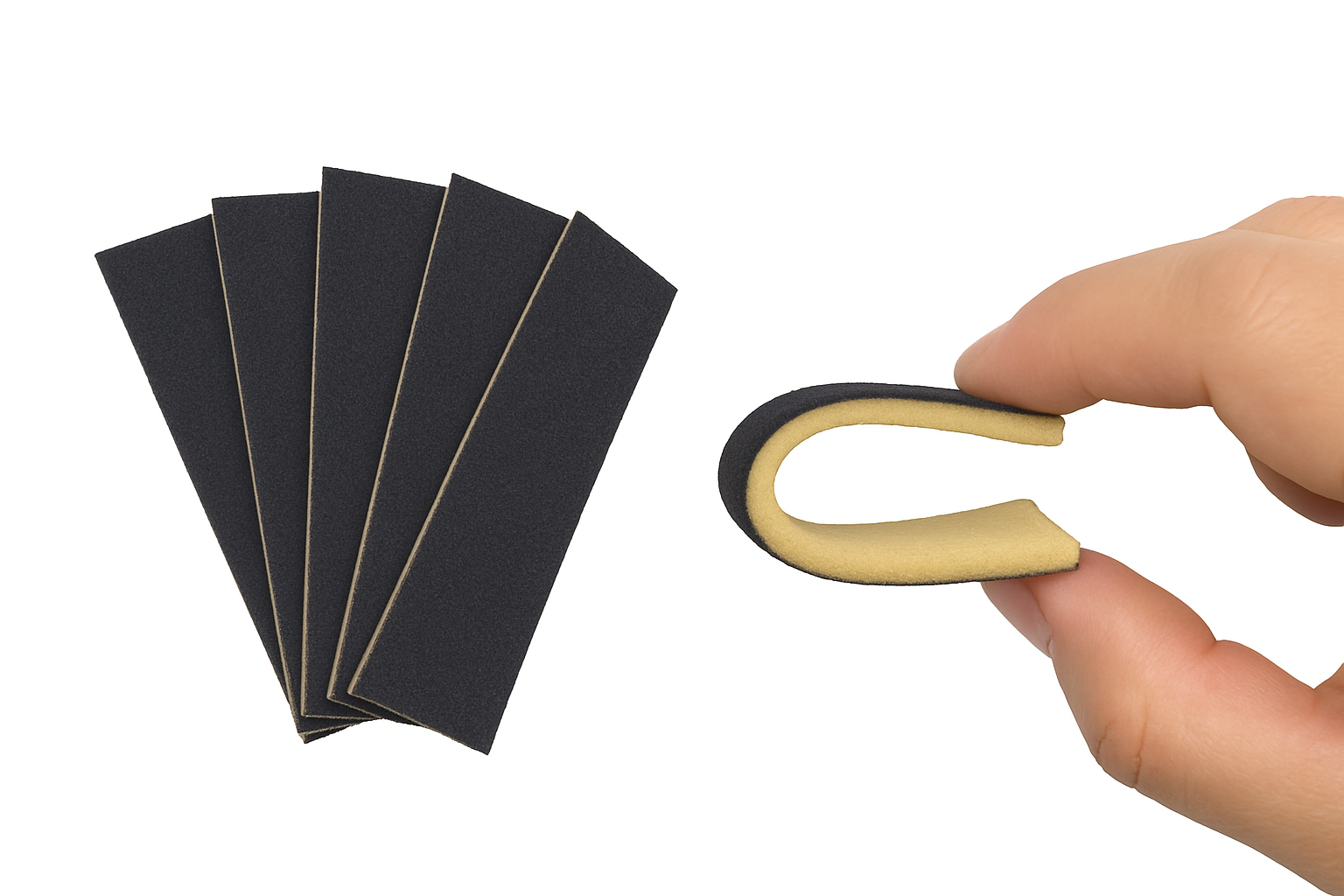
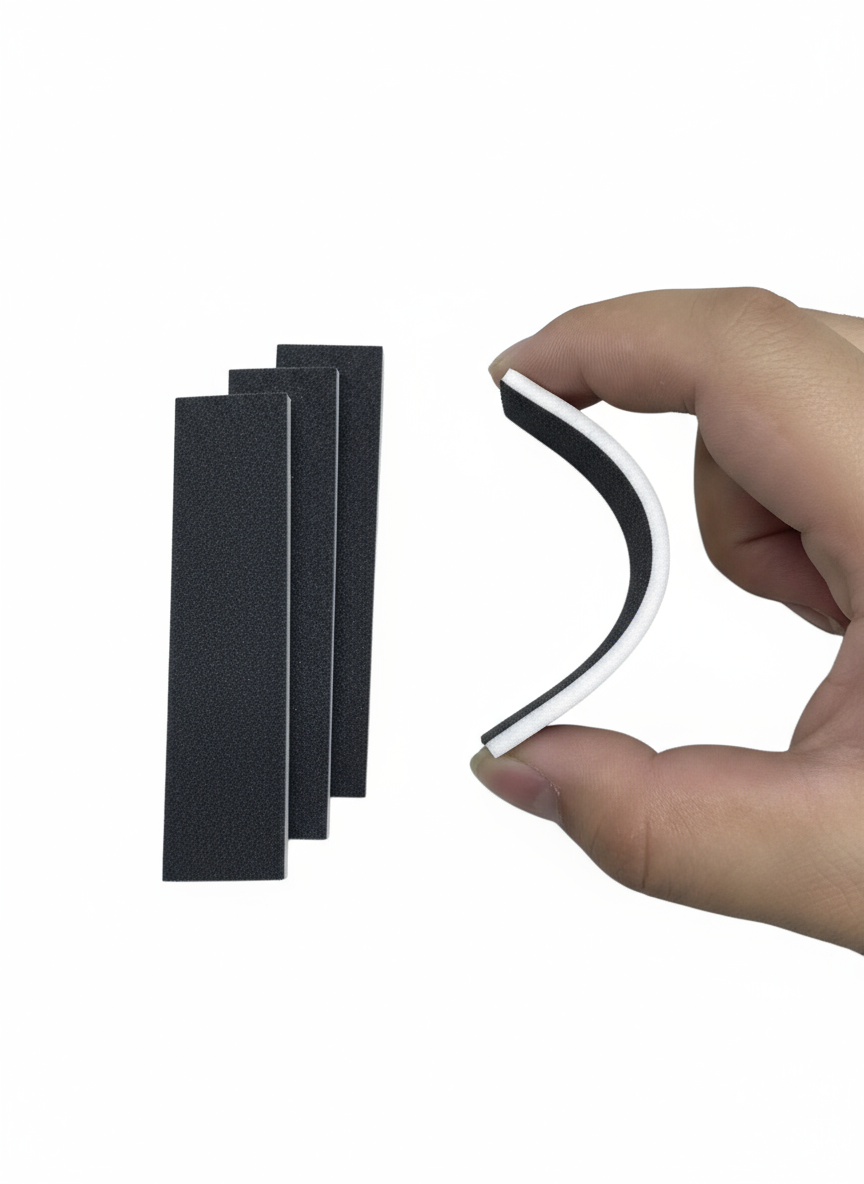
This is the softest sanding sheet in the drawer: an extra-plush foam core lets each 80 x 20 mm pad fold nearly double and hug deep curves, domes, and narrow channels, keeping abrasive contact where stiffer sheets bridge and skip—a difference you feel on the very first stroke.
That super-soft cushion turns your own fingers into the sanding block: pressure follows your touch, so delicate curves and painted surfaces get evenly smoothed without flat spots, while the abrasive stays anchored through session after session of model work.
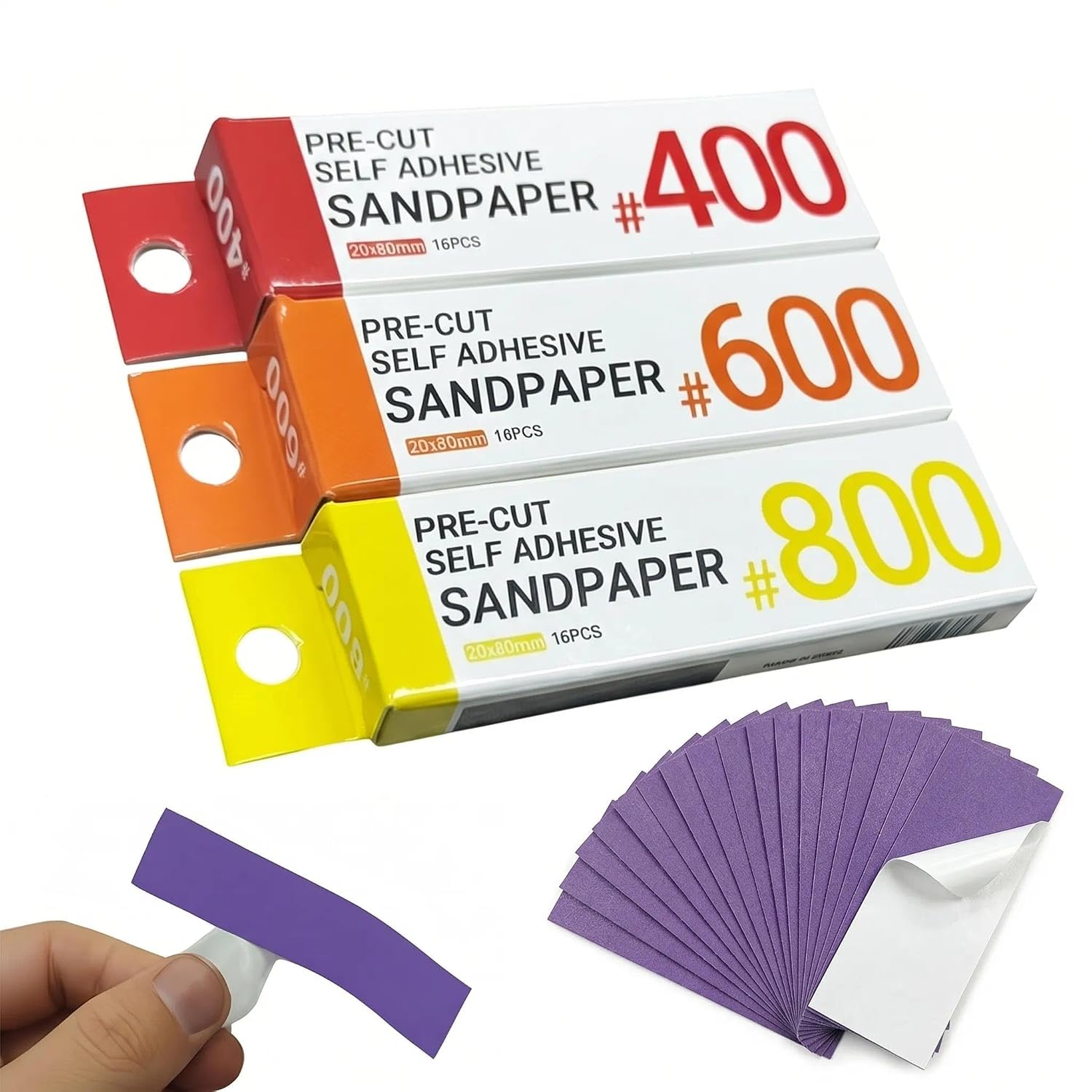
Eight grits run from #320, early enough to knock down seam lines and sprue nubs, through #800–#1200 for primer and between-coat work, up to #2000 for a near-mirror topcoat on Gunpla, resin kits, and 3D prints—one pad stack that covers shaping to polishing.
FAQ
1. Question: How soft is "super soft," and when would I choose it over a firmer sanding sheet?
Answer: Soft enough to fold nearly in half—the foam keeps bending where firmer pads resist. Choose it when the surface itself is curved, delicate, or painted: the plush core lets your fingertips control the pressure, so the abrasive follows your touch instead of pressing a rigid edge into the part. For long, flat, straight sanding where you want maximum material removal, a firmer sheet or a backing board remains the better tool.
2. Question: Which grit should I start with for a typical model project?
Answer: Most work starts at #320 or #400 to level seam lines and remove sprue nubs, moves through #600–#800 to refine the shape, uses #1000–#1200 on primer and between paint coats, and finishes at #1500–#2000 for a near-mirror topcoat. Because every pad is the same 80 x 20 mm size, your hand rhythm stays constant as you swap grits up the ladder.
3. Question: How do I sand deep curves and domes with it?
Answer: Let the pad do the conforming: bend it to match the curve—a dome canopy, a rounded cowl, a channel between armor panels—and sand with light circular or lengthwise strokes. The foam distributes your finger pressure so the abrasive tracks the contour instead of bridging across it, leaving an even, faceted-free finish. For extra-fine control, fold the pad in half and sand with the folded edge.
4. Question: What surfaces and materials is it suitable for?
Answer: It works on plastic model parts (PS, ABS), resin kits and 3D prints, primed and painted coats, and soft woods—anywhere a gentle, conforming abrasive helps. Like any sandpaper it is not for hardened metal, which would clog and destroy the grit. Keep the sheets flat or lightly rolled between sessions to preserve their shape.