Carbon Fiber Sanding Stick for Models – Choose Your Style: 3 Straight Plates (5/10/15mm) or 4 Shaped Sticks for Gaps & Corners – 80mm Rigid Lightweight Sanding Board (CF-01/02/03/04/05/06/07)
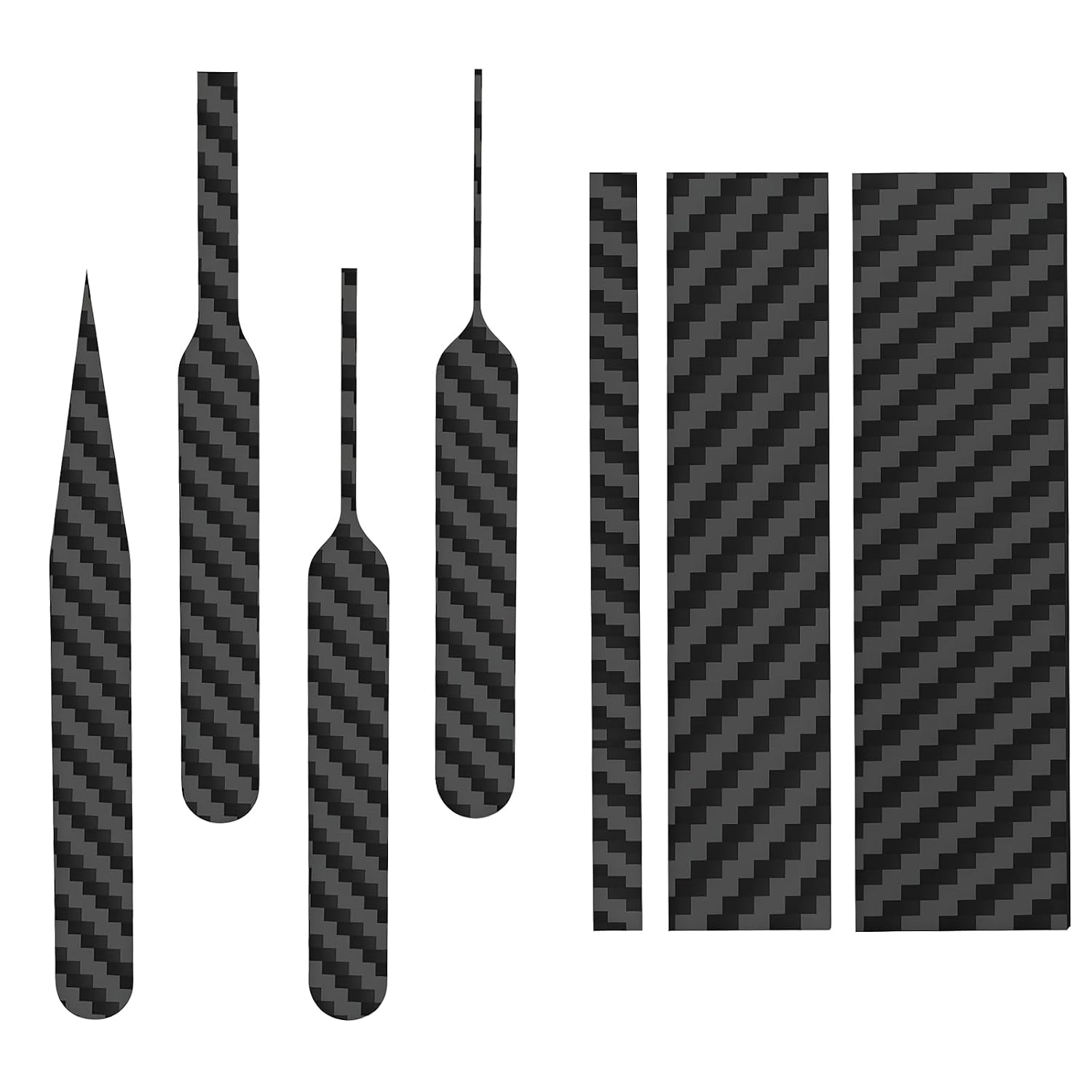
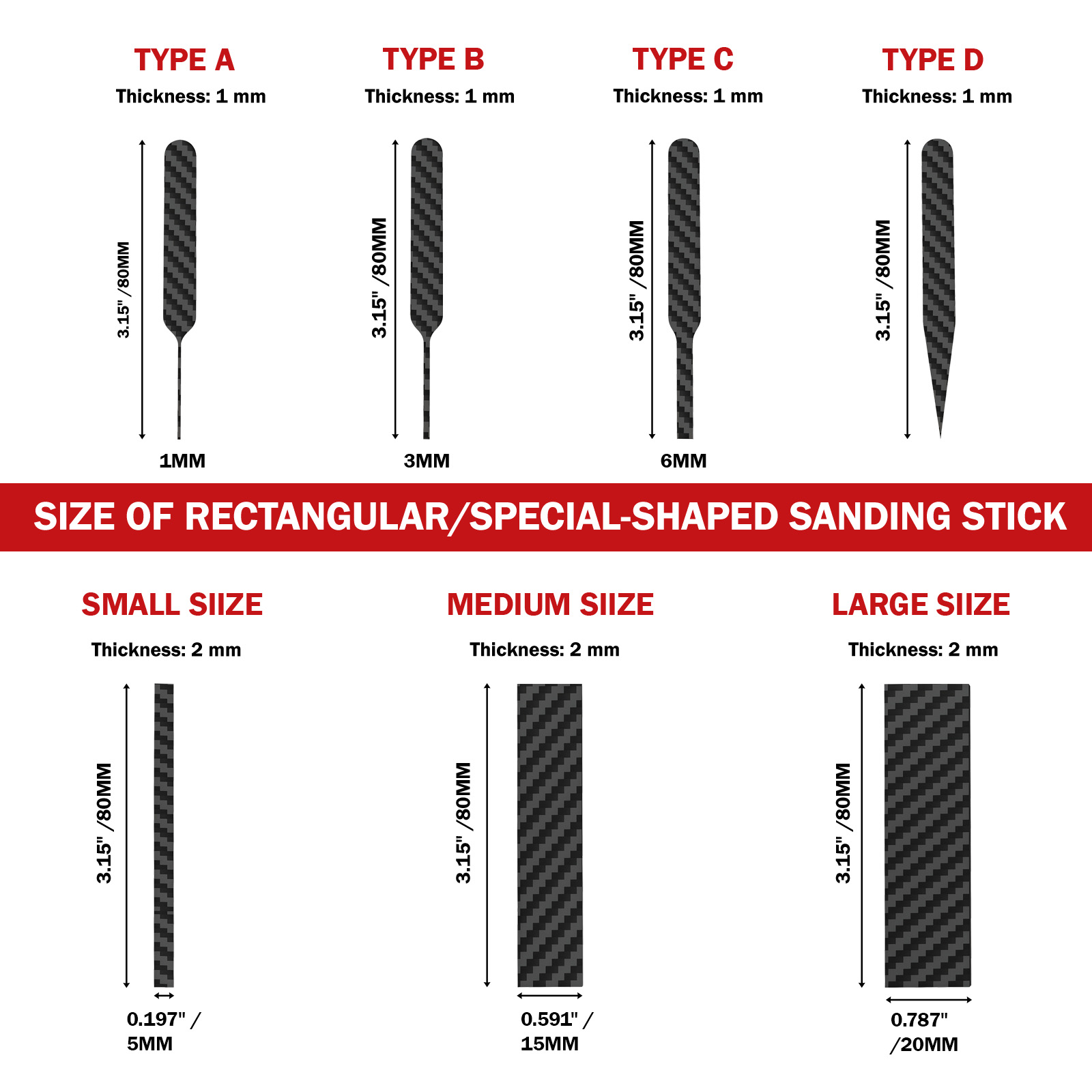
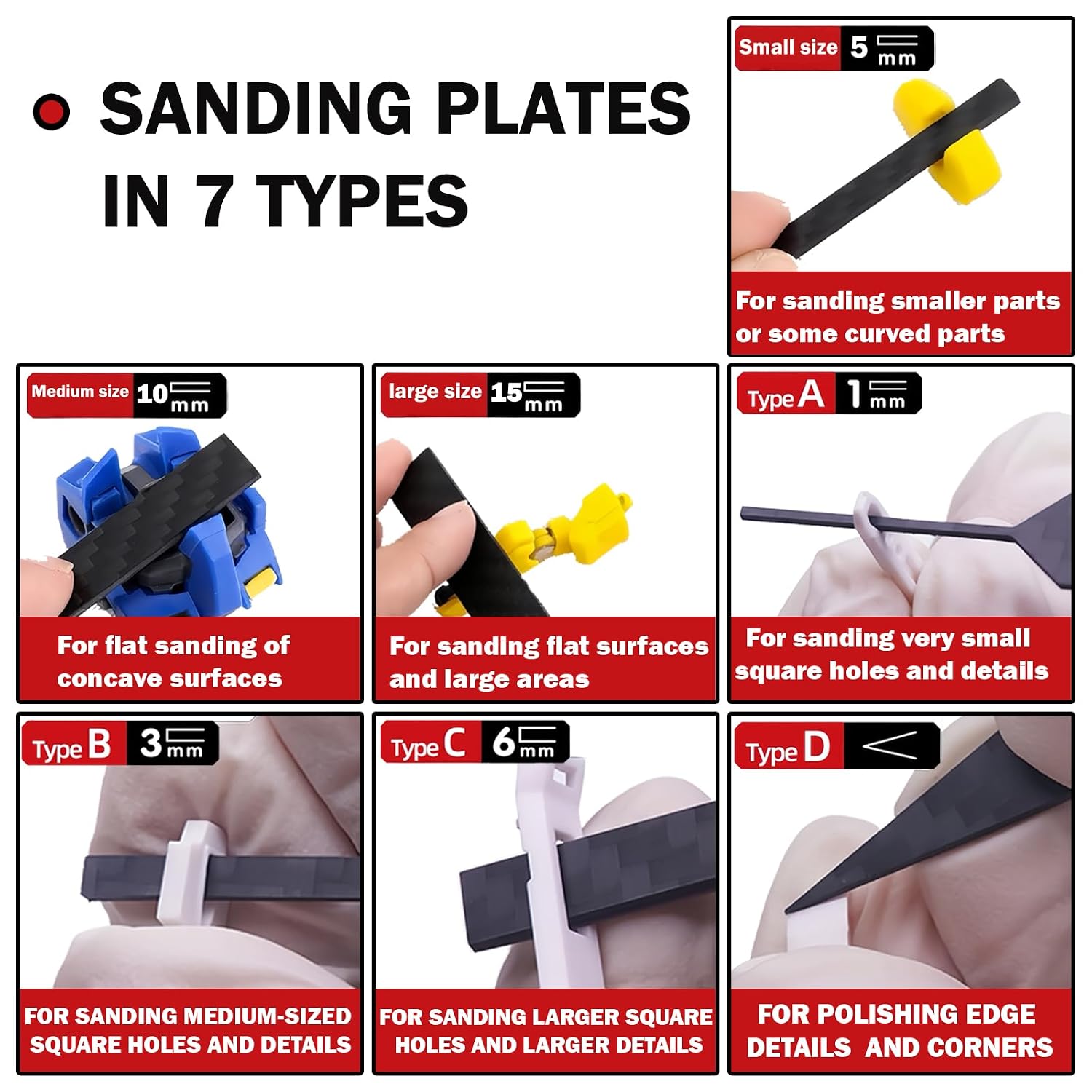
Pick exactly the plate your project needs: seven carbon fiber sanding sticks are available in this listing, each sold as its own variant. Three straight plates in 5, 10, and 15 mm widths level flat surfaces, concave curves, and small parts; four shaped sticks reach where flat plates cannot.
The shaped sticks come in 1, 3, and 6 mm tip widths plus a pointed wedge: Type A cleans very small square holes and fine details, Types B and C widen the reach for medium and larger holes, and Type D polishes crisp edges and corners. All plates are 80 mm long for controlled strokes.
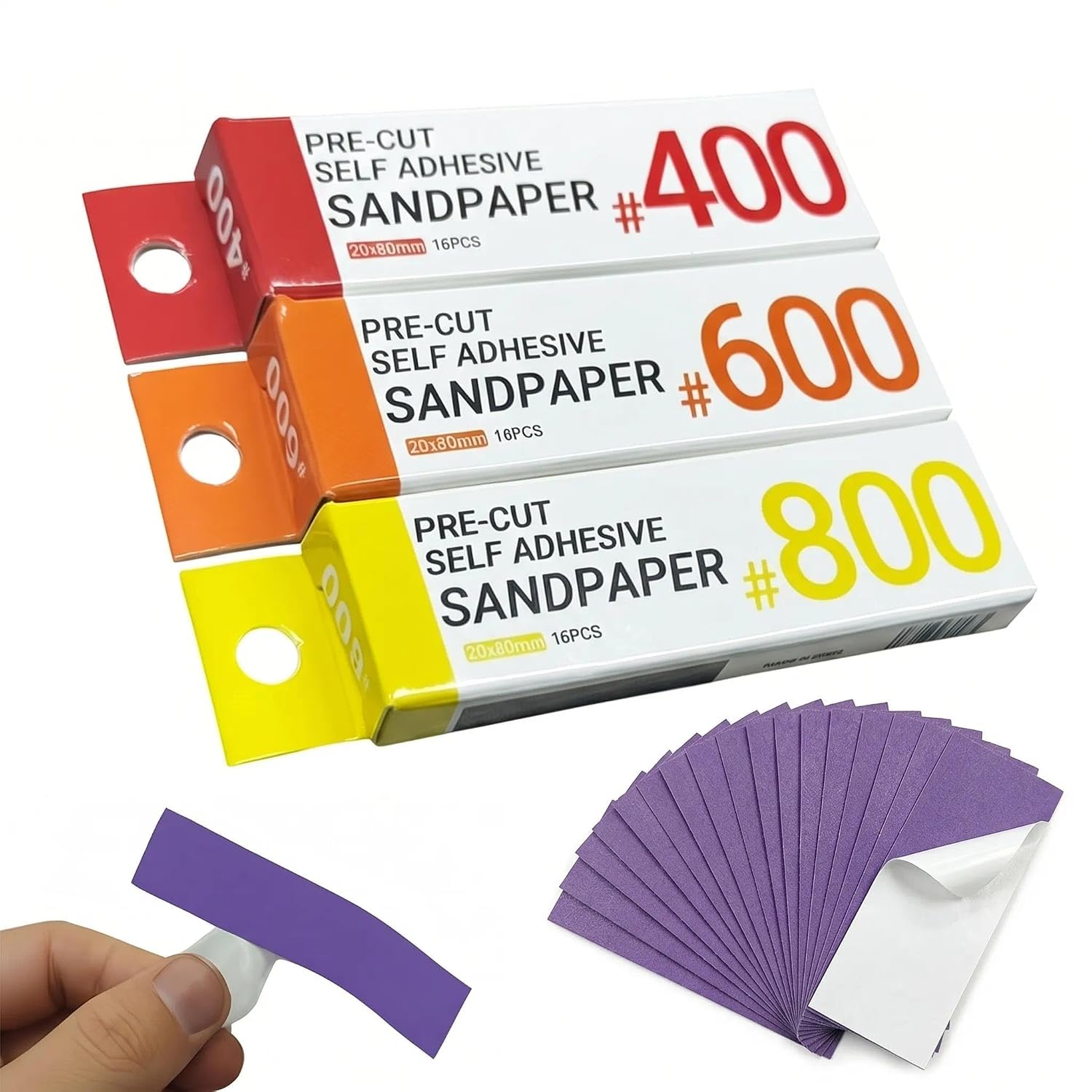
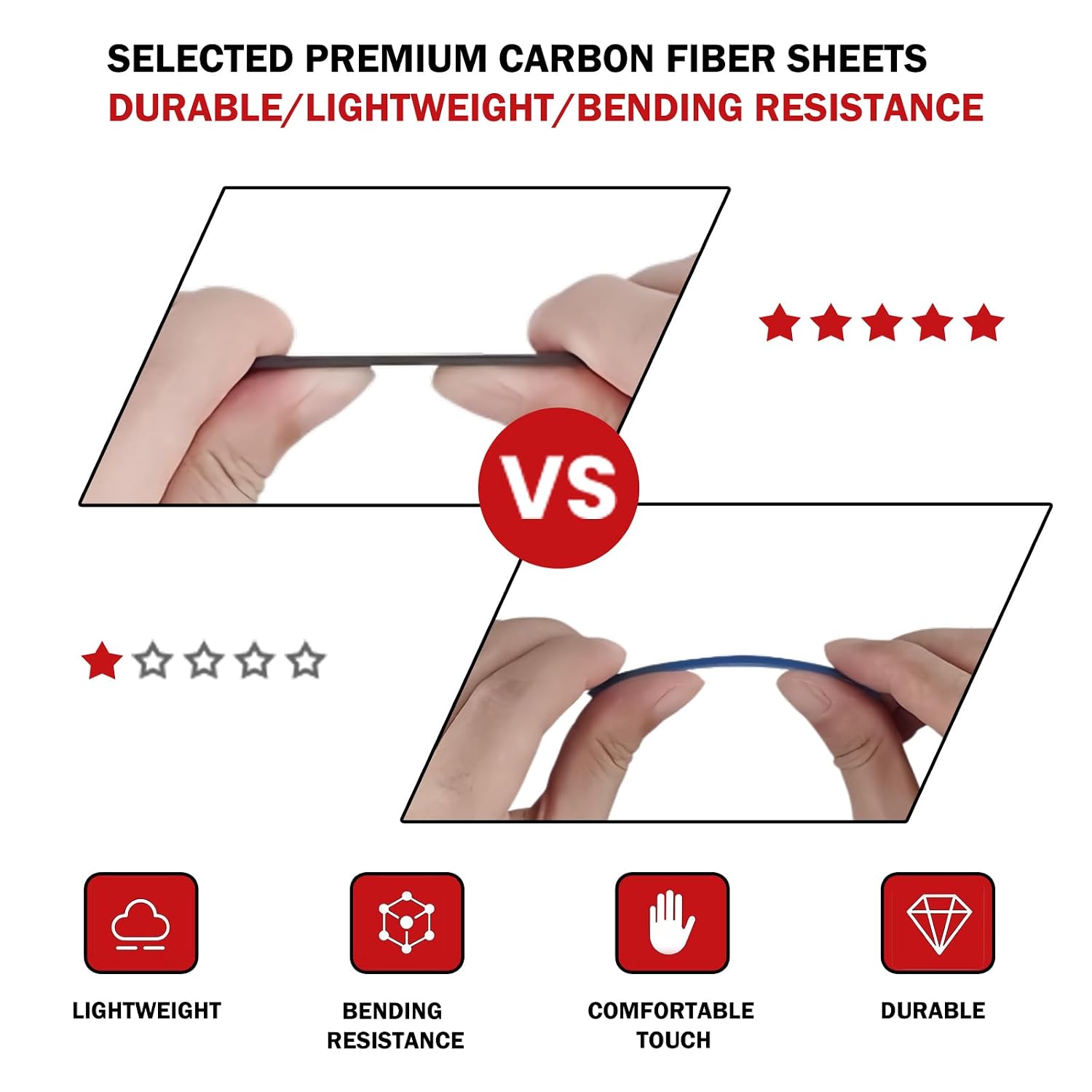
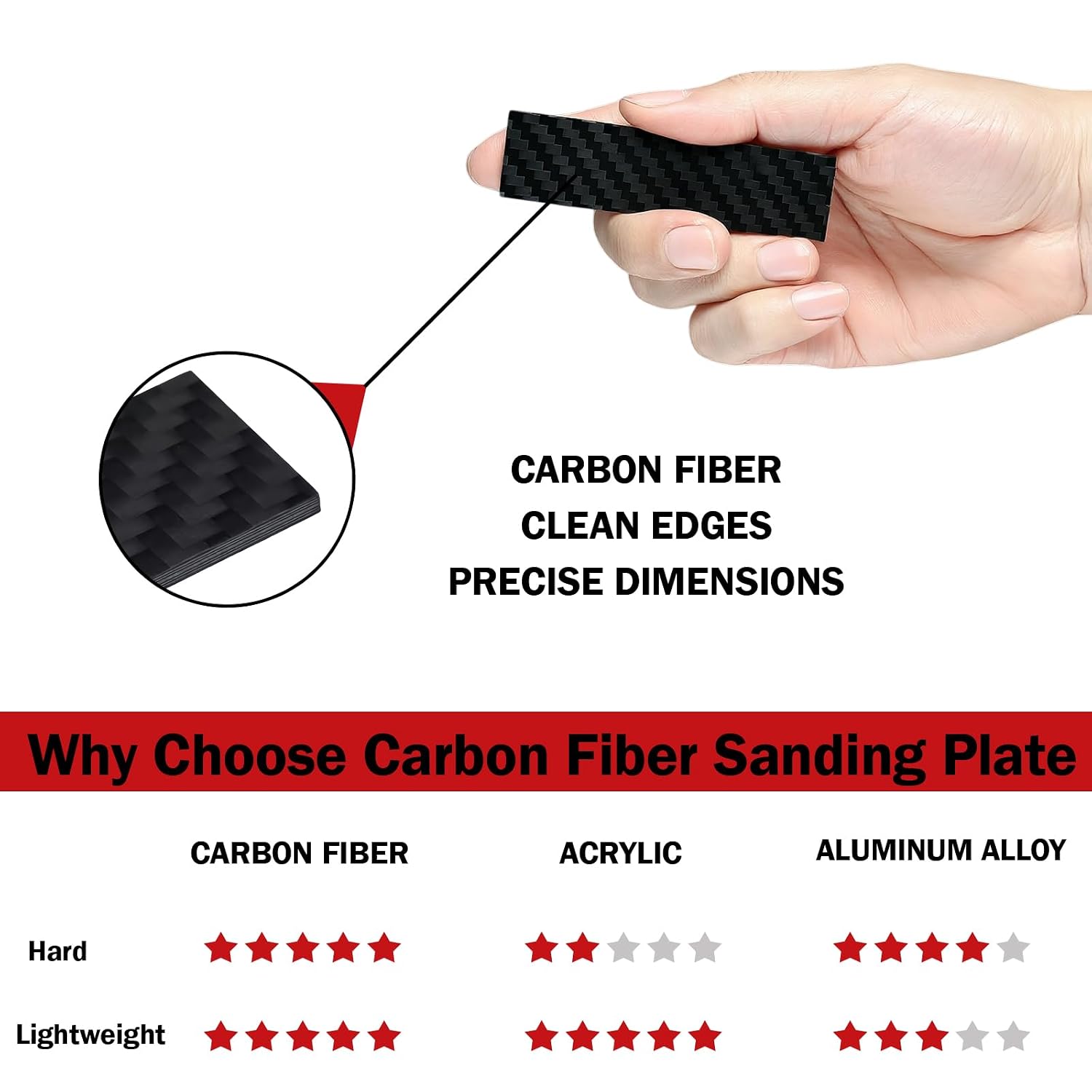
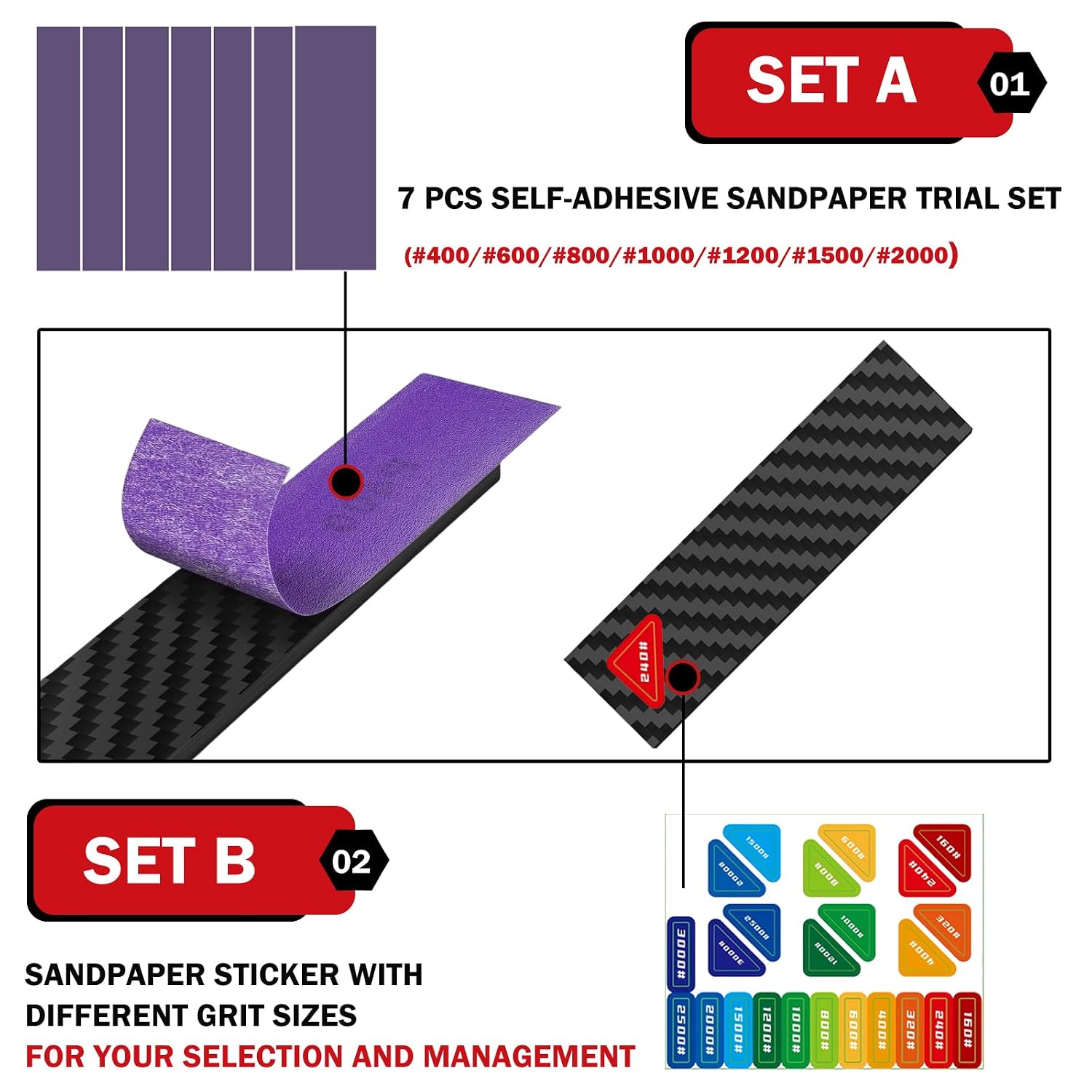
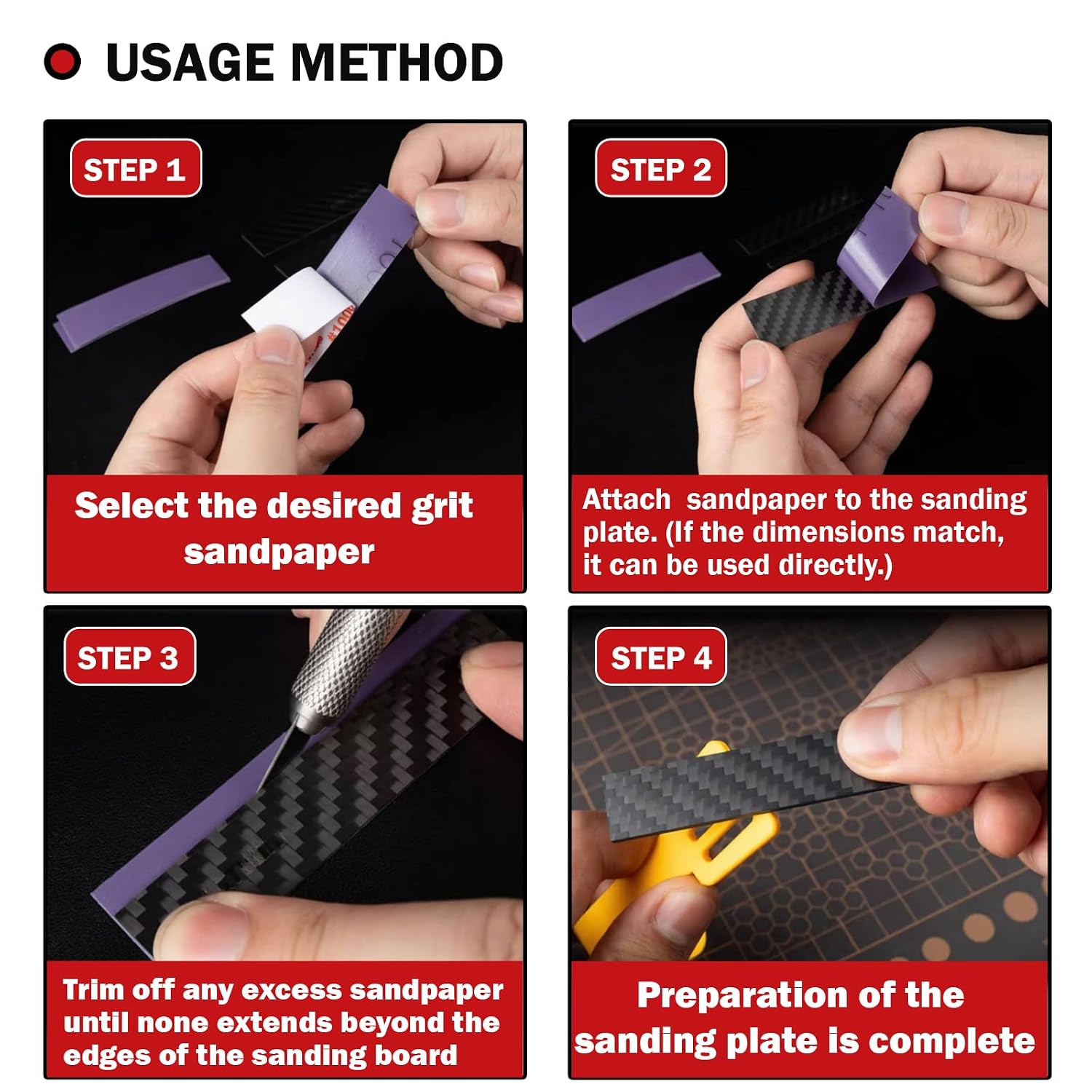
Every plate is cut from premium carbon fiber—rigid enough to keep edges true under pressure, light and comfortable in hand, and far stiffer than acrylic boards. Pair it with self-adhesive sandpaper: cut to size, peel, press, and trim any overhang for clean edges.
FAQ
1. Question: How do I choose the right style for my work?
Answer: Match the plate to the surface you are sanding. Choose the 5 mm straight plate for small parts and gently curved pieces, the 10 mm for concave surfaces, and the 15 mm for flat surfaces and large areas. For recessed details, pick a shaped stick: Type A (1 mm tip) for very small square holes, Type B (3 mm) for medium holes, Type C (6 mm) for larger holes and details, or Type D, the pointed wedge, for polishing edges and corners. Many modelers eventually keep one of each on the bench.
2. Question: Why carbon fiber instead of acrylic or metal sanding boards?
Answer: Carbon fiber combines the best of both: it is as hard as aluminum alloy at close to the weight of acrylic, so the plate keeps its edges true under pressure without bending or fatiguing your hand during long sessions. Sheets are cut with clean edges and precise dimensions, so the sanding face stays exactly the size you expect—important in tight gaps where an oversized plate would scratch surrounding detail.
3. Question: How do I attach the sandpaper?
Answer: Cut a sheet of self-adhesive sandpaper to match your plate's size, peel off the backing, and press it on flat. If the sheet is larger than the plate, trim off the excess until nothing extends beyond the edges—overhanging paper catches on details and lifts at the corners. Matching-size sheets can be applied directly without trimming.